Goody: A Friendly Handwritten Font for Small Business
As a small business owner, I have learned that the smallest details often make the biggest difference. When customers interact with my brand, they are not just buying a product; they are experiencing a personality. One of the most powerful tools in shaping that experience is typography. Recently, I discovered Goody, a sweet and friendly handwritten font that has completely transformed how I approach my branding materials. It is more than just a decorative script; it is a versatile asset that helps my business look consistent, professional, and deeply human across every touchpoint.
The Personality Behind the Typeface
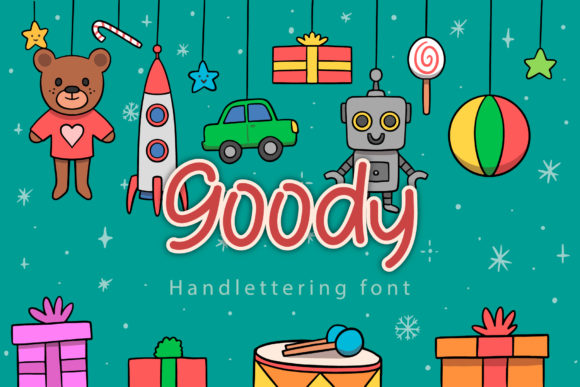
In the world of design, fonts carry emotion. While corporate sans serif fonts convey efficiency and modernity, a well-chosen script font conveys warmth, authenticity, and care. Goody fits perfectly into this category. Its natural and unique style mimics the flow of actual handwriting without sacrificing legibility. This makes it incredibly fitting for a large pool of designs where a personal connection is vital.
When I first tested Goody on my logo mockups, the mood shifted immediately. The sharp edges of my previous typeface were replaced by soft curves and organic strokes. For entrepreneurs selling handmade goods, offering coaching services, or running a local café, this shift is crucial. It signals to the customer that there is a real person behind the brand. The only limit is your imagination when applying this creative font to your visual identity.
Bringing Consistency to Real-World Materials
One of the hardest challenges for independent creators is maintaining brand consistency. We often juggle too many platforms and physical products. Goody acts as a unifying thread. Whether it is printed on a product label or displayed on a website banner, its distinct character ensures recognition.
- Product Labels and Packaging: For a handmade candle seller or a boutique soap maker, packaging is the first physical interaction a customer has with the brand. Using Goody on labels adds a premium, artisanal feel. It elevates simple paper tags into memorable design assets.
- Business Cards and Stationery: A business card with a standard font can get tossed aside. However, a card featuring Goody for the name and contact details feels like a personal invitation. It stands out in a stack of generic cards.
- Social Media Graphics: On platforms like Instagram and Pinterest, visuals stop the scroll. Using Goody for headlines on promotional posts or quote graphics creates an immediate emotional hook. It works beautifully for bakery specials, new collection launches, or event announcements.
- Thank-You Cards and Stickers: These small touches build loyalty. Writing "Thank You" in Goody on a sticker inside a package feels like a genuine note from a friend rather than a mass-produced message.
Practical Applications for Different Businesses
The versatility of Goody allows it to adapt to various niches within the Script Amp category of Fonts. Here is how different types of businesses can leverage this typeface effectively:
The Artisan Bakery
A bakery thrives on the idea of fresh, homemade quality. Imagine a menu board where the daily specials are written in Goody. The handwritten style reinforces the "freshly made" narrative. It pairs wonderfully with photos of pastries, making the food look even more appetizing and inviting.
The Wellness Coach
For service providers like life coaches or yoga instructors, trust is paramount. Using Goody on a website header or digital course covers suggests approachability and empathy. It softens the tone of the content, making potential clients feel understood before they even book a call.
The Boutique Owner
Retail brands need to stand out in a crowded market. A boutique logo designed with Goody communicates style and individuality. It works exceptionally well on window signage and shopping bags, turning a simple purchase into a branded experience.
Readability and Usage Best Practices
While Goody is beautiful, practical application requires understanding its limits. As a display font, it shines in headlines, logos, and short phrases. However, readability becomes a concern when used for long paragraphs of text, especially on mobile screens or small product labels.
I recommend using Goody as an accent font or supporting typeface for key messages. For body copy, such as terms of service, detailed product descriptions, or long blog posts, pair it with a clean sans serif font or a readable serif font. This combination ensures that your brand remains accessible while still retaining its unique flair.
When designing for social media thumbnails or digital ads, ensure the contrast between the Goody text and the background is high. Because of its natural curves, it needs space to breathe. Avoid cramming too much text into a single line, as this can reduce legibility and dilute the impact of the message.
Mastering Font Pairing for Professional Results
To achieve a polished look, font pairing is essential. Goody works best when balanced with a neutral counterpart. Since Goody is expressive and decorative, it needs a stable foundation.
- Goody + Sans Serif: Pairing Goody with a geometric or humanist sans serif creates a modern, clean aesthetic. This is ideal for tech startups, modern boutiques, or lifestyle blogs that want to appear current yet friendly.
- Goody + Serif: Combining Goody with a classic serif font adds a touch of elegance and tradition. This pairing is perfect for wedding planners, luxury beauty brands, or heritage-style cafes.
By mixing these styles, you create a hierarchy that guides the reader's eye. The Goody headlines grab attention, while the secondary font delivers the necessary information clearly.
Testing and Licensing Considerations
Before committing Goody to your entire brand identity, test it thoroughly. Print out a few samples of your packaging and view your social media templates on different devices. Does the font scale well? Is it legible at small sizes? Trust your eyes and ask for feedback from your target audience.
Furthermore, as a business owner, you must be mindful of licensing. Always verify that you have the correct commercial font license before using Goody on products, packaging, merchandise, or client work. Using a premium font without the proper rights can lead to legal issues down the road. Ensure your license covers web use, print media, and any digital downloads you plan to sell.
Elevating Your Brand Identity
In the competitive landscape of small business, every element of your brand counts. Goody offers a unique opportunity to infuse your marketing, packaging, and digital presence with a sense of warmth and professionalism. It bridges the gap between corporate polish and personal connection. By integrating this sweet and friendly handwritten font into your design strategy, you create a cohesive and recognizable brand that resonates with your customers. Whether you are launching a new product or refreshing your online shop, Goody provides the visual language needed to tell your story authentically.